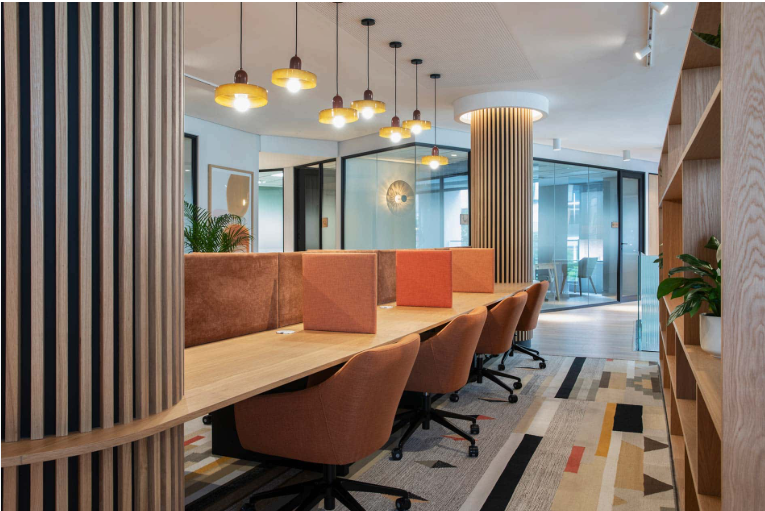
Walk into any shared workspace in Nairobi—whether it’s a bustling co-working hub in Westlands or a multi-tenant corporate building in Upper Hill—and you’ll immediately notice the energy. Shared offices are fantastic for collaboration and networking, but they come with one major challenge: when everyone shares a space, who is actually responsible for keeping it clean?
High foot traffic means that meeting room tables, kitchen counters, and bathroom fixtures accumulate bacteria and grime much faster than in a traditional single-company office. Without a consistent approach, standards can slip quickly, affecting both employee well-being and your business’s professional image.
As Nairobi’s trusted commercial cleaning experts at Ekom Professional Cleaners, we’ve put together the ultimate guide to maintaining impeccable hygiene standards in shared workspaces.
The True ROI of a Clean Workspace
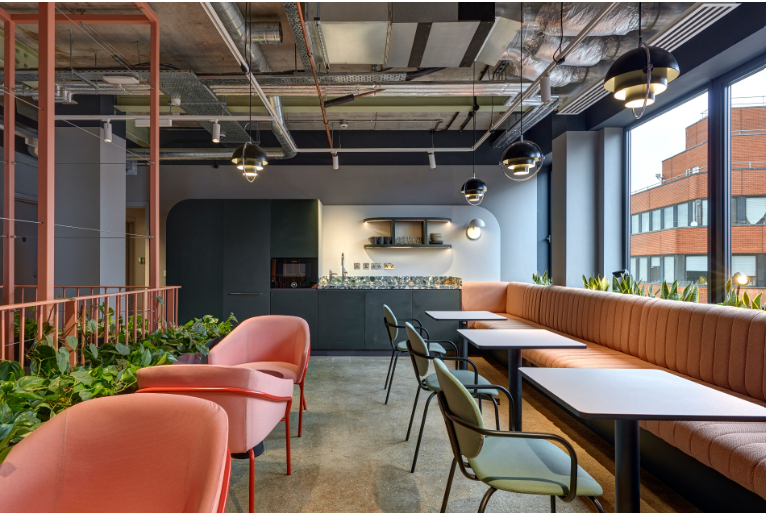
Before diving into the “how,” it is important to understand why workspace hygiene is an investment, not just an expense:
- Boosts Productivity and Focus: A tidy desk and a fresh-smelling room quiet the mind. When distractions like clutter and dust fade away, creativity and focus naturally blossom.
- Reduces Employee Absenteeism: Regular sanitization creates a strong defense against the spread of common office illnesses. Fewer sick days mean a more active, consistent workforce.
- Creates Stellar First Impressions: A pristine, welcoming lobby and spotless conference rooms silently communicate to visiting clients that your company values quality and attention to detail.
5 Golden Rules for Shared Workspace Hygiene
1. Define What “Clean” Actually Means
Vague requests to “keep the kitchen tidy” rarely work because everyone interprets “tidy” differently. The foundation of a clean shared workspace is a clear, written cleanliness policy.
- Set Expectations: Create a friendly guide for new tenants covering kitchen etiquette, hot-desk hygiene, and meeting room tidiness.
- Use Polite Signage: Strategic, polite reminders near sinks, refrigerators, and printers encourage people to clean up after themselves.
- Make Supplies Accessible: If people have to hunt for paper towels or surface wipes, they won’t use them. Keep sanitizing wipes, hand sanitizers, and dish soap readily available in high-touch zones.
2. Differentiate Between the “Daily Reset” and “Deep Cleaning”
A shared office cannot rely on one major tidy-up at the end of the week. You need a daily rhythm.
- The Daily Reset: At the close of business, ensure benches are cleared, supplies replenished, bins emptied, and high-touch surfaces (door handles, lift buttons, shared keyboards) are wiped down.
- Periodic Deep Cleaning: Daily upkeep doesn’t replace the need for professional deep cleaning. Grout lines, upholstery, air vents, and the hidden areas behind kitchen appliances require professional attention on a scheduled basis to prevent long-term grime build-up.
3. Master the High-Traffic Danger Zones
Certain areas in a shared office act as magnets for bacteria and require extra vigilance:
- Breakrooms and Kitchenettes: These are the highest contamination risks in any office. Implement a strict “wash your own dishes” rule, wipe down microwave handles daily, and clear out the communal fridge every Friday.
- Conference Rooms: Enforce a “clean in, clean out” policy. Chairs should be pushed in, whiteboards wiped clean, and leftover catering removed immediately after a meeting.
- Shared Technology: Printers, scanners, and smartboards are touched by dozens of people daily. Keep antimicrobial wipes right next to these machines.
4. Implement a “Clean Desk” Policy
The average office desk harbors 400 times more bacteria than a toilet seat! Encourage a “Clean Desk Policy” where employees clear their workstations at the end of the day. For hot-desking environments, it is crucial that users sanitize the desk, keyboard, and mouse before they leave so it is fresh for the next person.
5. Don’t Ignore the Unseen Threats: Air Quality and Pests
Surface hygiene is only half the battle. Poor ventilation can lead to stuffy, unproductive environments, so ensure your HVAC systems are regularly maintained and windows are opened when possible to circulate fresh air.
Furthermore, shared kitchens with multiple users often lead to unsealed food and crumbs—a massive attractant for domestic pests. A cockroach or rodent sighting can instantly destroy a co-working space’s reputation. To protect your shared office, routine pest control is non-negotiable.
If you manage a workspace in Nairobi, proactive pest management is the secret to a truly hygienic environment. Learn more about our specialized commercial fumigation services here to keep your shared spaces pest-free and compliant with health standards.
Need Professional Cleaning Support in Nairobi?
Maintaining a shared workspace is a team effort, but relying solely on your tenants or staff will only get you so far. To truly protect your workspace, you need a professional partner.
At Ekom Professional Cleaners, we specialize in the unique demands of Nairobi’s commercial buildings, co-working spaces, and multi-tenant offices. From daily maintenance and periodic deep cleans to expert office fumigation, we ensure your workspace remains a sanctuary of productivity.
Ready to elevate your office hygiene? Contact Ekom Professional Cleaners at 0756562161 today and let us handle the dirty work so you can focus on growing your business!